

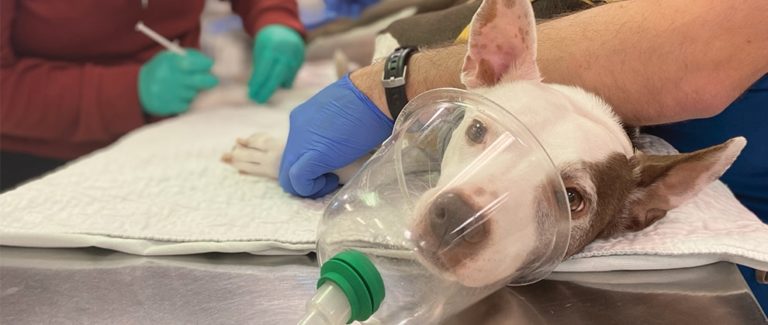
Diagnostics
The Veterinary Nurse’s Role in Reading Blood Gases
Knowing when and how to draw blood gas samples, as well as how to interpret the results, is critical to good patient care.
Clinical Pathology
How to Collect and Prepare Samples for the Laboratory
By researching and staying current with test requirements, veterinary nurses are instrumental in communicating preliminary preparation with clients and discussing with the veterinary team ways to reduce erroneous test results.
Nutrition
Advising Clients About Home-Prepared and Commercial Fresh Diets
Keeping the lines of communication open is extremely important when a client is considering feeding a home-prepared diet, whether raw or cooked, to their pets.
Parasitology
Lyme Disease in Dogs
Lyme disease is the most common tick-borne disease in the United States. Client education is key to prevention.
Infectious Disease
Canine Parvovirus
Canine parvovirus is a highly contagious and resilient virus that attacks the gastrointestinal tract of dogs. Learn about the role of the canine parvovirus vaccination and key information such as adverse reactions, vaccination schedule, and more.
Ophthalmology
Managing Canine Corneal Ulcers
This review examines corneal anatomy and physiology, basic classifications of corneal ulcers, what owners need to know about caring for dogs with ulcers, and monitoring patients with corneal ulcers.
Oncology
Multiple Myeloma in a Cat
This rare oncologic malignancy is difficult to treat and thus has a high mortality rate.
Radiology/Imaging
Use of FAST Ultrasonography in Veterinary Emergency Rooms
With proper training, veterinary nurses can perform TFAST and AFAST scans on emergent patients.