Infectious Disease
Feline Panleukopenia Virus
Veterinary nurses who understand the FPV disease process and supportive care that must accompany treatment of FPV-infected cats will be able to provide excellent nursing care for the patient.
Rehabilitation
Key Components of Canine Gait Analysis in the Rehabilitation Exam
The gait analysis is one of the most important components of a physical rehabilitation examination because it allows the veterinary nurse to narrow possible causes of an abnormal gait and help obtain a diagnosis.
Gastroenterology
Inflammatory Bowel Disease and Sequelae
This case report highlights the difficulty in managing multiple comorbidities.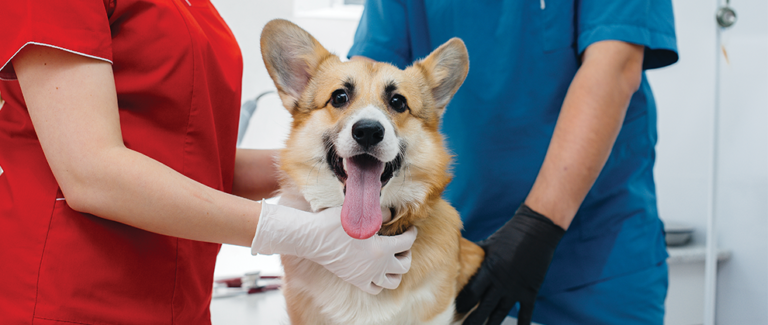
Clinical Pathology
The Veterinary Nurse’s Guide to Fecal Flotation Techniques
The CAPC recommends fecal examination for adult dogs and cats at least twice per year.
Emergency Medicine/Critical Care
Stabilizing the Critically Ill Patient
Stabilizing patients in critical condition include timely triage, interventional therapies, and clear communication with the critical care facility for transfer.
Nutrition
Nutrition and Behavior Therapy for Feline Idiopathic Cystitis
The underlying cause of FIC is unknown and presentation and clinical signs vary widely. Working with owners to appropriately structure the environment for their cat(s) and providing feeding guidelines to support urinary health and ideal body weight will, at a minimum, increase the cat’s wellbeing.
Parasitology
Giardiasis in Cats
Giardia protozoa are quite hardy. Prevention and client education is key to keeping a cat happy and healthy.
Infectious Disease
Canine Infectious Respiratory Disease Complex
Veterinary nurses play a key role in helping clients separate facts from fiction in regard to CIRDC as well as other vaccine-preventable diseases.