Equine Medicine
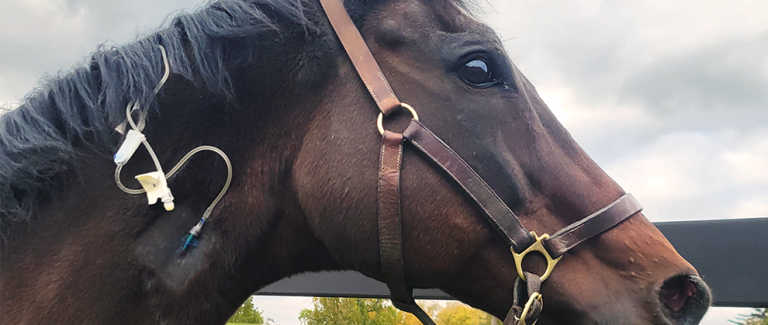
A Step-by-Step Guide to Intravenous Catheter Placement in the Equine Patient
Placement of intravenous catheters (IVCs) in equine patients is an important technical skill that can be mastered by credentialed veterinary technicians working in both ambulatory and hospital practices.
Anesthesiology
A Guide to Capnography in Small Animal Anesthesia
As veterinary practices continue to adopt higher monitoring standards, capnography remains a cornerstone of anesthesia safety and is a core recommendation in resuscitation guidelines.
Dermatology
A Step-by-Step Guide to In-House Cytology in Veterinary Dermatology
In-house cytology empowers veterinary teams to obtain rapid, cost-effective diagnostic information that will help guide immediate treatment decisions, determine the need for further testing, and support timely follow-up care.
Urology & Renal Medicine
Urethral Catheterization of the Obstructed Male Cat
Options for urethral catheterization are broad, but supplies for catheterization can normally be found in any veterinary clinic.
Emergency Medicine/Critical Care
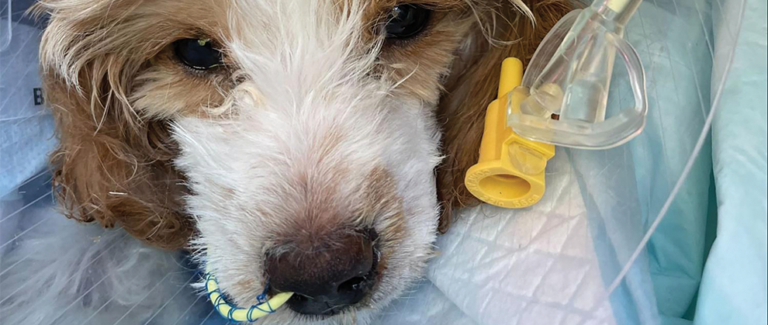
Placing Central and PICC Lines in Small Animals
Central venous catheters play a vital role in the management of critically ill veterinary patients.
Dentistry
Performing Oral Regional Nerve Blocks for Veterinary Patients
Local anesthetics are categorized by region as infraorbital, caudal maxillary, middle mental, and caudal mandibular/inferior alveolar.
Clinical Pathology
Manual Blood Smear Preparation and Review
By combining the results of manual blood smear review with those of automated hematology, veterinary practices can ensure that CBCs are comprehensive.
Behavior
Completing a Comprehensive Behavioral History
A behavior treatment plan is only as good as the history collection.