Personal/Professional Development
Building on Progress: How NAVTA Is Turning Strategic Momentum Into Action
Taken together, NAVTA’s 2026 agenda is practical and forward-looking: strengthening veterinary nurse/technician representation, clarifying advancement pathways, deepening cross-industry collaboration, investing in professional growth, and building durable organizational systems.
Ethics/Welfare
Rejuvenating the Human–Animal Bond in the Care of Senior Veterinary Patients
Veterinary nurses and their teams can apply simple, intentional strategies to help preserve and revitalize the human–animal bond during the most meaningful stages of an aging pet’s life.
Anesthesiology
A Guide to Capnography in Small Animal Anesthesia
As veterinary practices continue to adopt higher monitoring standards, capnography remains a cornerstone of anesthesia safety and is a core recommendation in resuscitation guidelines.
Practice Management
Spectrum of Care in Veterinary Medicine and the Role of the Veterinary Nurse
Empowering veterinary professionals and clients to consider a wide range of treatment strategies has the potential to improve access to needed medical care for all pets.
Nutrition
Communicating With Clients About Nutritional Management of Canine Uroliths
Discussing with clients the type of stone affecting their dog and how diet helps manage and/or prevent future stones increases their understanding and compliance.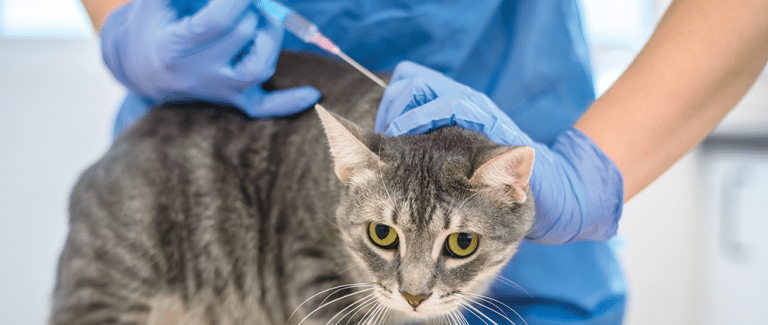
Preventive Medicine
Core Vaccines and the One Health Connection: Protecting Pets, People, and the Planet
Beyond protecting individual patients, vaccines safeguard communities, strengthen herd immunity, and reinforce the global One Health framework that connects animal, human, and environmental wellbeing.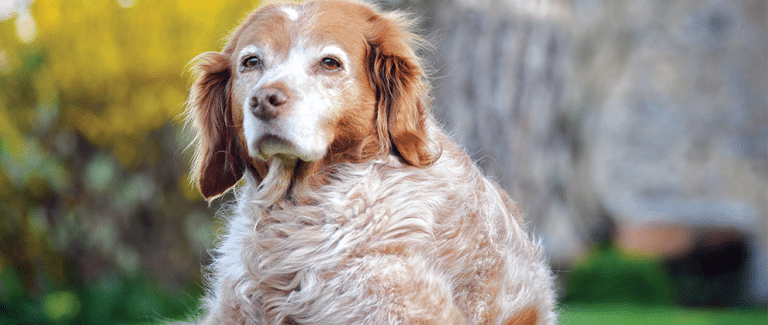
Emergency Medicine/Critical Care
Suspected Myositis Secondary to Melarsomine Injections
The benefits of treating heartworm disease with melarsomine need to outweigh the risks, which, in this case, ended up being severe.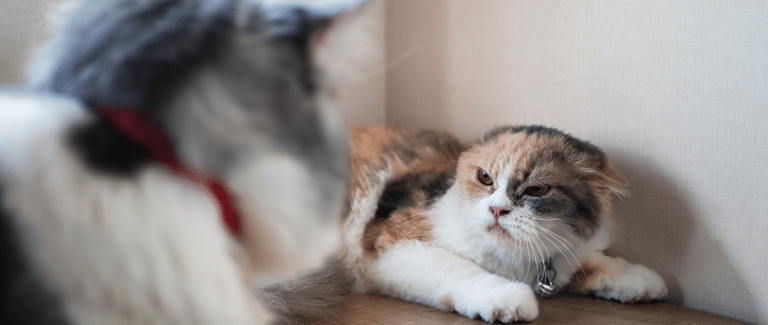
Behavior
Addressing Conflict Between Feline Housemates
Tension between cats within the same home is not uncommon, but caregivers of feline patients in conflict often need help preventing, managing, and reducing tension.