
To take the CE quiz, click here.
This quiz is open until May 2028.
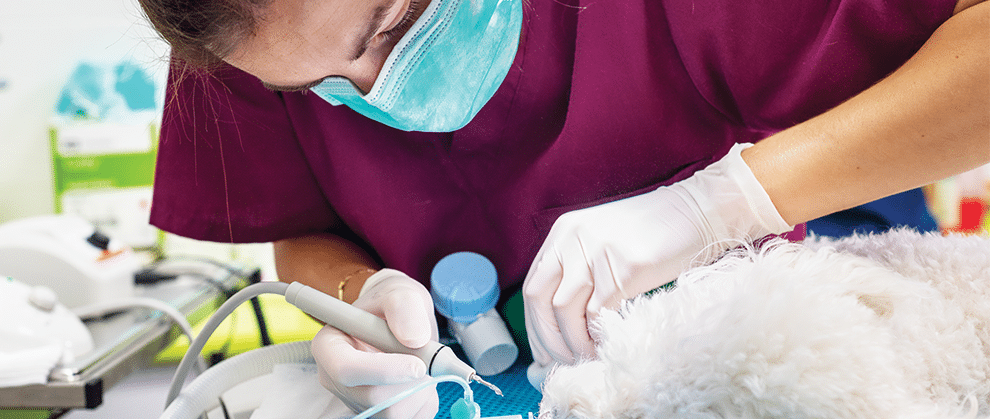
This article examines the importance of ergonomics in veterinary dentistry and highlights the need to understand the musculoskeletal system and implement ergonomic practices to prevent work-related injuries. It discusses various factors that contribute to musculoskeletal disorders and provides strategies to mitigate these risks, such as appropriate techniques and equipment to maintain a comfortable, well-balanced posture. It also emphasizes the importance of proper instrument grasp and activation, adequate recovery time, and regular breaks. Finally, the article provides examples of arm, elbow, shoulder, and wrist exercises to sustain joint mobility and flexibility.
Take-Home Points
- More than half of veterinary dental professionals report musculoskeletal discomfort.
- Key causes of musculoskeletal disorders include excessive force, prolonged movements, abnormal posture, and lack of breaks.
- Maintaining proper posture is crucial to avoiding injuries during dental procedures.
- Recommended sitting posture includes keeping the back straight and arms positioned correctly to reduce strain.
- Standing reduces spinal pressure but can lead to muscle fatigue and discomfort; regular changes in posture are advised.
- Ergonomic tools enhance comfort and reduce strain during dental procedures.
- Hearing protection is essential during dental procedures; suitable earplugs should provide noise reduction while allowing critical sounds.
- Proper instrument handling, including the modified pen grasp, is essential to minimize strain and maintain control.
- Regular breaks, exercise, and workspace organization are key strategies for preventing work-related injuries in veterinary dental practice.
- Various stretches and exercises can help maintain joint mobility and alleviate muscle tension.
The practice of veterinary ergonomics can be complex, as a busy veterinary facility often leaves little time to focus on posture. A 2022 survey conducted at the Ohio State University found that among 56 veterinarians and 38 veterinary nurses/technicians, 60% reported musculoskeletal discomfort in the neck, lower back, legs, and feet.1 The study also found that more than 85% of the veterinary professionals surveyed acknowledged that work activities intensified their discomfort in at least 1 region.1 Although fewer than one-third of respondents reported lost wages due to symptom-related ailments, personal and work-related burnout scores were higher among veterinary nurses/technicians than among veterinarians.1 Additionally, when work activities were observed, 9% of veterinarians’ tasks and 43% of veterinary nurses’/technicians’ tasks were rated as high or very high risk for musculoskeletal disorders.1
What Is Ergonomics?
The Occupational Safety and Health Administration (OSHA) defines ergonomics as the science of fitting a job to the employee.2 In practice, this often involves designing workstations and providing equipment to reduce work-related musculoskeletal disorders (Box 1). Activities that can cause musculoskeletal disorders include those that require excessive force; prolonged and repetitive movements, which irritate tendons and increase pressure on the related nerves; abnormal postures that exceed physical limitations; static postures such as sitting or standing; bending or twisting too quickly; inadequate recovery time due to lack of breaks and overtime; and repetitive everyday tasks. Implementing proper ergonomic strategies can reduce muscle fatigue, increase productivity, and help facilities mitigate or eliminate substantial costs associated with work-related injuries.
- Carpal tunnel syndrome
- Cubital tunnel syndrome
- Epicondylitis
- Lower back and extremity injuries
- Muscle strains and sprains
- Tendinitis
- Trigger finger
- Rotator cuff injuries
Ergonomic Strategies for Dental Procedures
Veterinary dentistry poses several specific ergonomic challenges, including maintaining proper posture, reducing eye strain, and protecting hearing. During an often-arduous workday, it is easy to overlook these practices; therefore, it is important for veterinary nurses to develop a strong understanding of the human musculoskeletal system and to care for it as much as they do their ailing patients.
Posture Protection
Whether to sit or stand while performing a dental procedure is a matter of personal preference. Both postures have advantages and disadvantages, and there is no single correct posture; the choice should be based on ensuring consistency across patients and preventing personal injury.
Sitting
Sitting is often the preferred position for dental procedures. Sitting decreases the visual space between the veterinary professional and the patient; reduces head and neck angulation when working in the oral cavity; and promotes the modified pen grasp, which allows for subtle movements when using ultrasonic scalers, high-speed and low-speed handpieces, or other handheld dental instruments such as curettes, explorers, mirrors, probes, and scalers.3
However, the natural tendency to lean into the patient while sitting and performing repetitive motions, such as charting, scaling, and polishing, can shorten and tighten the frontal muscles (Figures 1 and 2). In contrast, the opposing back muscles overextend, becoming elongated and weak. Excessive spinal curvature (slouching) increases the strain of the outer annulus of the spinal disks and can cause disk bulging and disk pressure. Slouching also compromises breathing, as the chest, lungs, and diaphragm fail to expand completely or function normally.4 Furthermore, prolonged sitting tightens the hip flexors, and blood flow to the buttocks and lower extremities becomes restricted, leading to a numbing sensation.
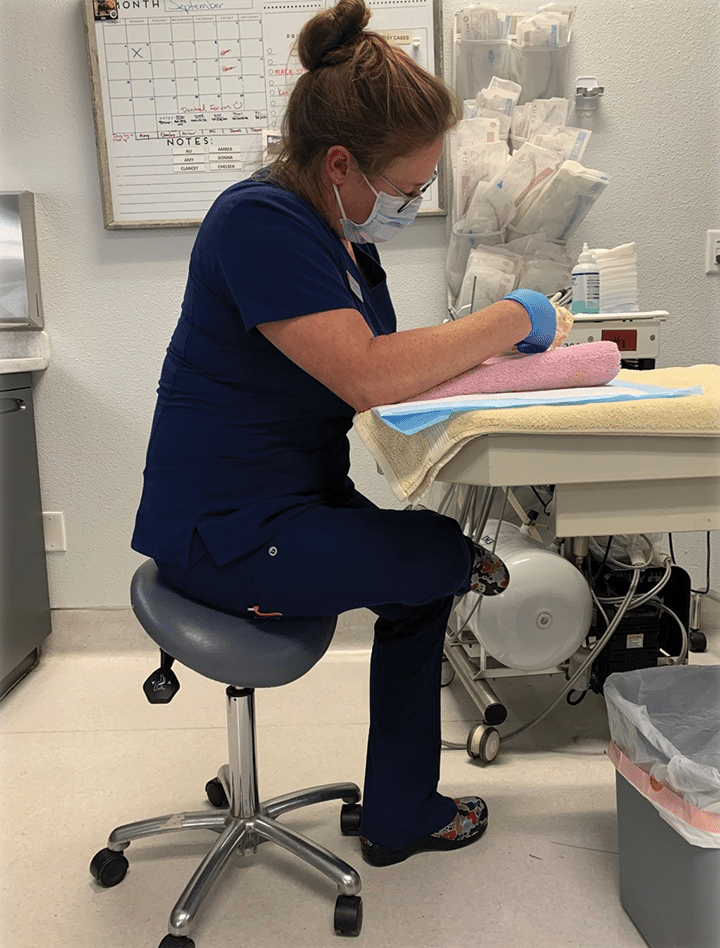
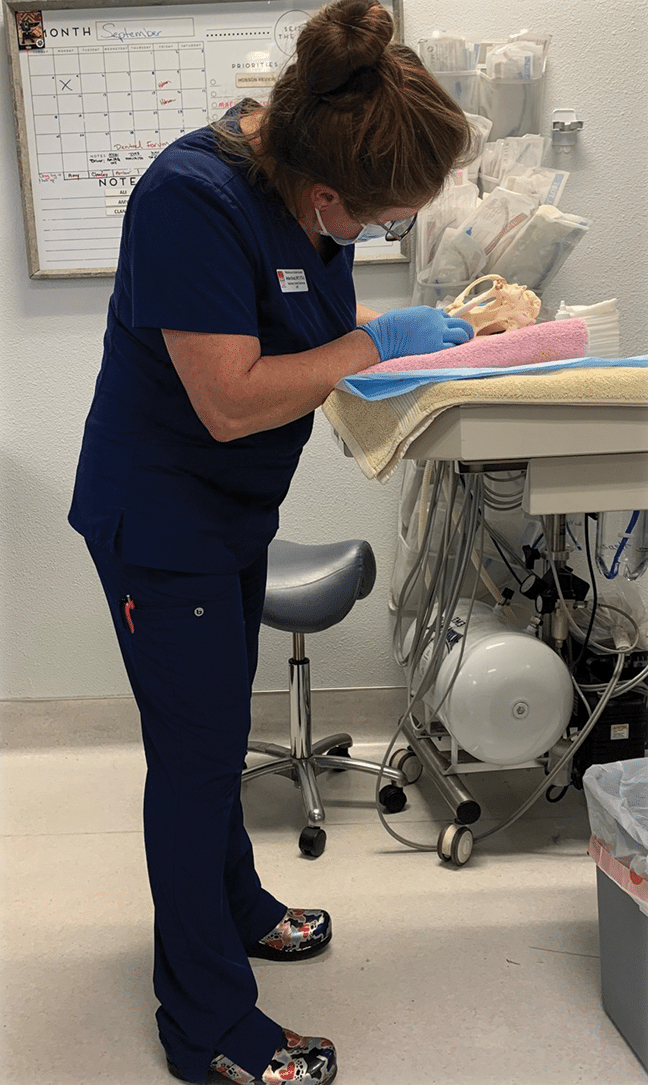
The following tips help in maintaining good posture while sitting 3,5:
- Aim to keep the back straight and the head inclined forward 20°.
- Position the arms alongside the body, orient them forward at 10°, and then raise the forearms to 25°.
- Angle the thighs and calves by 110° or more, distance the thighs by 45°, and position the calves vertically to the floor or slightly posterior, with the feet flat on the floor (Figure 3). If the feet do not touch the floor, use a small step stool to support them and maintain proper ergonomics.
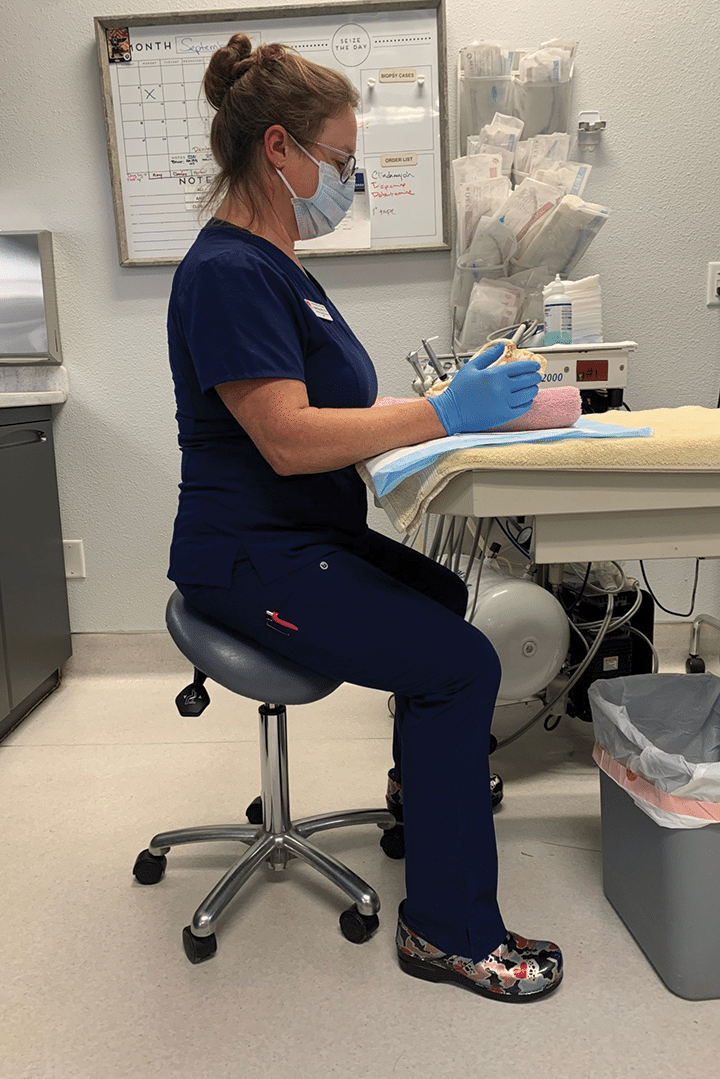
Figure 3. Ergonomic sitting position.
Taking occasional 30- to 60-second “microbreaks” to stand and stretch is recommended to help avoid burnout and to prevent injury and circulatory-related issues that can impact mobility, productivity, and efficiency.4,6 Microbreaks can occur while fellow team members rotate the patient between recumbent positions, while the patient is being stabilized, between anesthetic events, or while the veterinarian is performing dental extractions.
Standing
Maintaining a standing position requires substantial muscular effort. Although natural and not inherently harmful, prolonged standing can cause sore feet, leg edema, varicose veins, muscle fatigue, lower back pain, and neck and shoulder stiffness.7 Standing reduces blood flow to supporting muscles, thus accelerating the onset of fatigue and pain.7
Nevertheless, standing for a dental procedure has 2 significant advantages. First, it reduces the pressure on the intervertebral disks experienced while sitting, owing to spinal curvature. Second, standing stops the backward rotation of the pelvis and posteriorly flattens the lower lumbar spine by approximately 30°.4
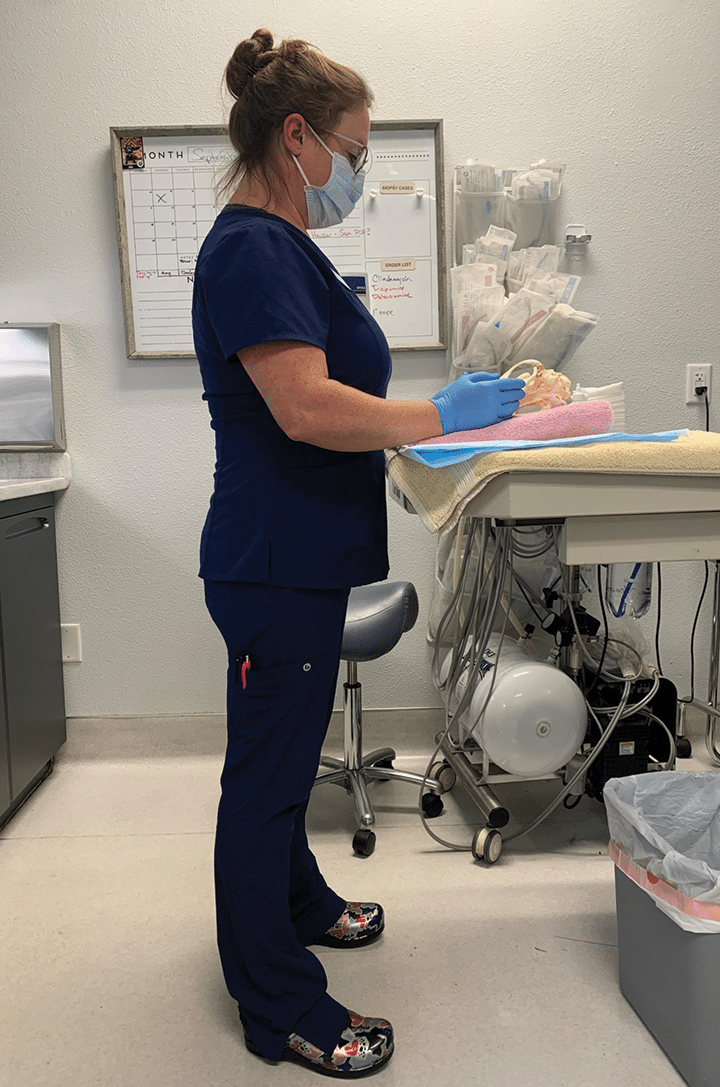
Figure 4. Ergonomic standing position.
When standing, align the shoulders with the body, keep the forearms parallel to the floor, and allow the elbows to rest close to or against the body for support (Figure 4). To avoid adverse effects of prolonged standing, change stance routinely from one position to another or consider portable footrests that allow shifting body weight from one leg to the other.4,7 Proper footwear is also recommended to minimize physical discomfort (Box 2).
- Best contour the natural shape of the feet
- Provide a snug grip for the heel*
- Have padding under the tongue and
lace-up fastenings - Offer arch support
- Permit toe movement
- Possess anti-skid properties
- Protect against potential workplace hazards
*While small heels may reduce strain on the Achilles tendon, allowing for more comfort while walking or standing, excessively high heels should be avoided.
Equipment
Several products can help veterinary nurses achieve a comfortable, well-balanced posture during dental procedures. Adjustable chairs and tables are ideal because they allow the working height to be customized for patients and staff.
Chairs
A saddle chair is often an excellent option for dental procedures (Figure 5). In addition to being adjustable and less costly than an adjustable table, saddle chairs promote an upright, active posture; allow for a wider sit-to-stand range; and accommodate individuals who cannot fully sit or stand. Some saddle chairs have adjustable backs and elbow supports, further helping to reduce tension in the back, neck, shoulders, and upper arms.8
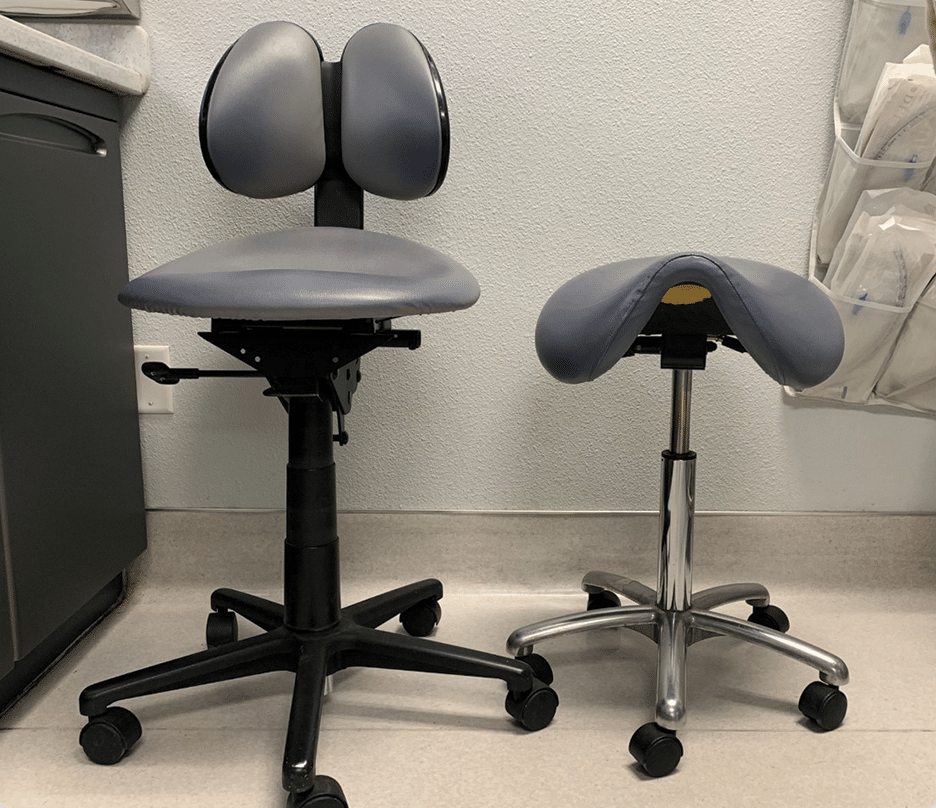
Figure 5. Adjustable saddle chairs promote an upright, active posture.
Workstations
Adjustable standing/sit-stand workstations (e.g., monitors) and their accessories also help veterinary nurses maintain proper ergonomic posture when reviewing dental radiographs or completing medical records. Some manufacturers supply monitor arms that allow up to 180° of rotation, vertical height adjustment, and tilt of up to 45°. The ability to rotate the monitor 180° helps keep body, head, and neck movement to a minimum. The ability to tilt the monitor vertically also promotes proper head and neck posture when reviewing dental radiographs with the veterinarian during the anesthetic procedure or while completing medical records afterward. Workstation adjustments typically take only a few seconds, so they can be made at any time while the patient is under safe anesthetic parameters. Organization of the workspace is also key to success, and there should be enough room to move around and adjust posture freely.
Floor Mats
Antifatigue floor mats are beneficial when standing to perform a dental procedure. Antifatigue mats absorb shock, promote blood circulation, reduce overall fatigue, and alleviate lower-extremity pain associated with prolonged standing. Some mats are made of solid, dense foam, while others have a gel layer on top, providing greater bounce. Overall, mat size and material are personal preferences; however, to ensure maximum support, the mat should be sufficiently thick. To promote safety, look for mats with a nonslip backing and beveled edges (Figure 6).
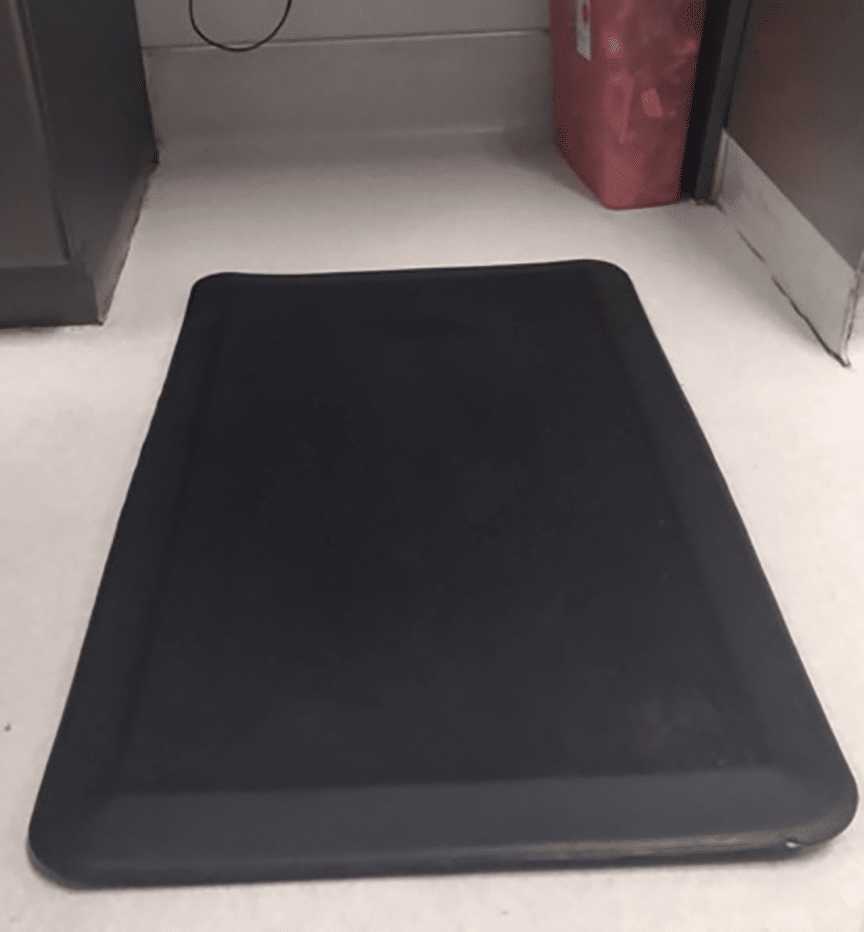
Figure 6. Beveled-edge, nonslip floor mats promote safety and eliminate fatigue.
Eye and Neck Protection
Surgical loupes are worn by veterinary doctors and nurses alike to magnify images, thereby helping alleviate eyestrain and prevent neck, back, and muscle pain (Figure 7).4 They are used at a focal distance of approximately 18 inches, which prevents slouching and bending, improves posture, and reduces strain on the upper back and neck. Magnification levels range from 2.5× to 10×, depending on the brand or type purchased. When appropriately fitted, loupes should provide a working distance long enough for the dental professional to sit upright and maintain a head tilt of 20° or less. An angular head tilt greater than 20° increases the risk of work-related injuries.9
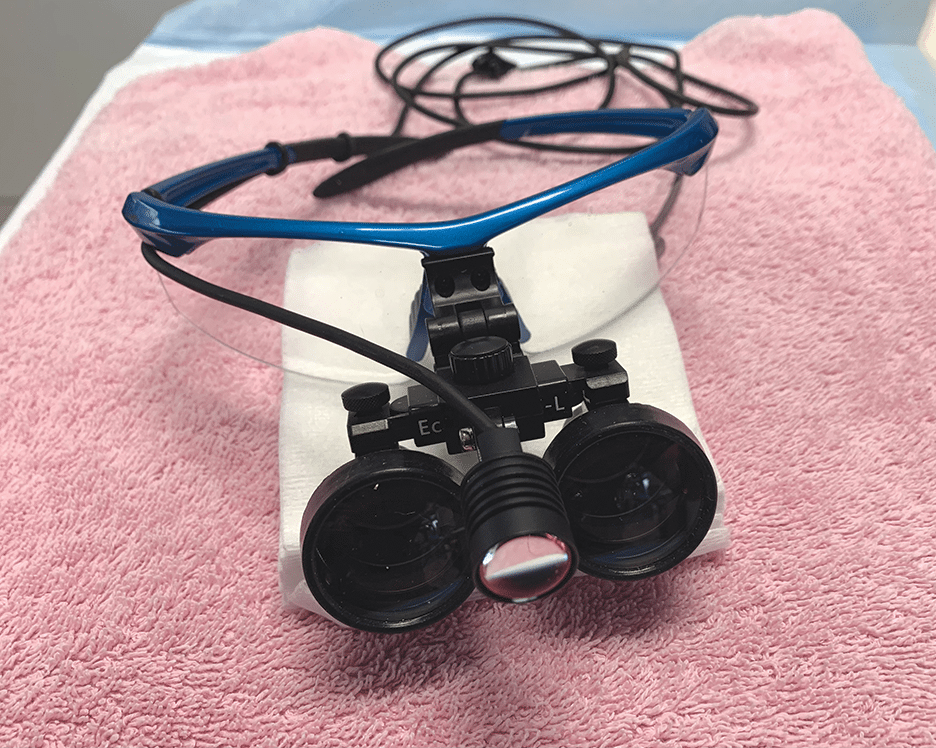
Figure 7. Surgical loupes alleviate eyestrain and prevent neck, back, and muscle pain.
Various types of loupes are used in veterinary medicine. Some loupes have lenses that flip up to allow normal vision; others have adjustable lenses for use by multiple individuals; and some can be customized to accommodate fixed “through the lens” magnification or incorporate a prescription for traditional glasses. Adjustable loupes for multiple users can be advantageous for practices seeking to encourage their use.4,9,10 Additionally, many loupes come with LED lighting, which helps alleviate eyestrain and the tendency to lean toward the patient for better visualization. Such loupes are useful for working in locations with poor overhead lighting.
Hearing Protection
Hearing protection is necessary in the dental suite. Ultrasonic scalers and other dental instruments and equipment produce noise levels of 80 to 90 decibels, and repeated exposure to noise exceeding 90 decibels may damage hair cells in the cochlea, leading to sensorineural hearing loss.11 Sensorineural hearing loss is common in dentistry; therefore, it is recommended to have hearing tested with audiometry early to establish a baseline.11
Tips to prevent hearing loss include wearing earplugs or noise-canceling over-the-ear headphones, considering the noise level of dental equipment when purchasing, and monitoring hearing regularly to ensure any problems are correctly diagnosed to benefit from early intervention.11
The best earplugs for veterinary dentistry strike a balance between noise reduction and comfort. They should attenuate high-frequency sounds, such as those produced by ultrasonic scalers or high-speed drills, while still allowing the wearer to hear important sounds, such as comments from the anesthetist and assistants. Earplugs should be comfortable enough to wear for extended periods without causing irritation or discomfort. There are many types of earplugs; therefore, it is important to understand the unique features of each to choose the ones that ensure a safe, comfortable working environment.
Hand Protection
Instrument Choice and Use
When using handheld dental instruments (e.g., ultrasonic scalers, high-speed and low-speed handpieces, curettes), size matters. A 2006 study of 24 human dentists and dental hygienists found that periodontal instrument handle designs significantly affected hand muscle load and pinch force during manual scaling. Instruments with a large handle diameter (no more than 10 mm) and a light weight required the least muscle load and pinch force, which may help decrease the likelihood of carpal and cubital tunnel syndromes.12
Each type of handheld instrument also requires a specific activation motion that may require some force to obtain the desired outcome. There are 3 basic activation motions for proper instrument adaptation: rotary, wrist, and digital. Rotary motion requires the wrist and arm to function as a single unit. Wrist motion requires the hand and wrist to act as 2 separate units. Digital motion, typically used with the palm-grasp technique, involves the fingers pushing an instrument up and down. Of the 3 basic motions, digital motion tends to cause rapid fatigue in the hands and fingers.13
Excessive force and repetitive movement can irritate tendons in the hands, wrists, and elbows, thereby increasing pressure on the associated nerves; therefore, it is important to hold dental instruments in a way that minimizes physical strain. The modified pen grasp provides optimal control, stabilization, range of motion, and tactile sensation.3 In the modified pen grasp, the instrument handle should be held lightly between the thumb and index finger, the middle finger placed on the shank, and the thumb slightly bent to help maintain control of the instrument. When allowed to rest on a tooth, the ring finger becomes a fulcrum, stabilizing the hand (Figure 8).

Figure 8. The modified pen grasp allows optimal control, stabilization, range of motion, and tactile sensation.
Gloves
Glove size also matters. Gloves must be sized to allow optimal handling and a secure, efficient grip on tools without limiting or impeding movements during dental prophylaxis and evaluation. Gloves that are too small or too tight increase the risk of premature wear, limit range of motion, and exacerbate pain due to muscle fatigue and tension. Gloves that are too large reduce grip on the instrument and can snag or tear during use.14
Instrument Maintenance
Instrument maintenance affects both ergonomics and patient care. In addition to potentially damaging a patient’s enamel, dentin, attached gingiva, mucogingival margin, underlying alveolar bone, or cementum, dull or compromised periodontal instruments require excessive force to use. Such force impairs the instruments’ ability to perform their primary function and increases the user’s physical strain. All periodontal instruments must be sharpened routinely and replaced as needed.
Exercises
Adequate recovery time, regular breaks, and variation in daily tasks may help reduce the risk of injuries during dental procedures. Regular exercise, such as walking or swimming, combined with hand, arm, and shoulder therapy exercises, helps sustain joint mobility and flexibility in both the upper and lower extremities. Ultimately, all dental team members must understand the importance of self-care and how to avoid situations that can lead to musculoskeletal disorders.
The following are clinic-ready stretches of the arm, shoulder, and wrist that can be performed during microbreaks or when fatigue, stress, or tension sets in. They can also be performed at home. Information on numerous exercises is available online and in textbooks; however, for severe injuries, it is best to consult a physician or physical therapist to determine the most appropriate exercises.
Wrist Flexion Stretch
Key muscles: Flexor carpi radialis, flexor carpi ulnaris, palmaris longus, flexor digitorum superficialis, flexor digitorum profundus, and flexor pollicis longus
Setup:
- Stand or sit upright in a chair with the feet shoulder-width apart.
- Raise an arm to chest level, palm facing down; keep the arm straight.
Movement:
- With the free hand, gently press on the back of the hand downward and toward the ventral aspect of the arm (Figure 9).
- Slowly return to the starting position.
Repeat twice daily:
- Sets: 1
- Reps: 3
- Hold: 30 seconds
Tips:
- You should feel a stretch on the top of your arm.
- This should be a gentle stretch.
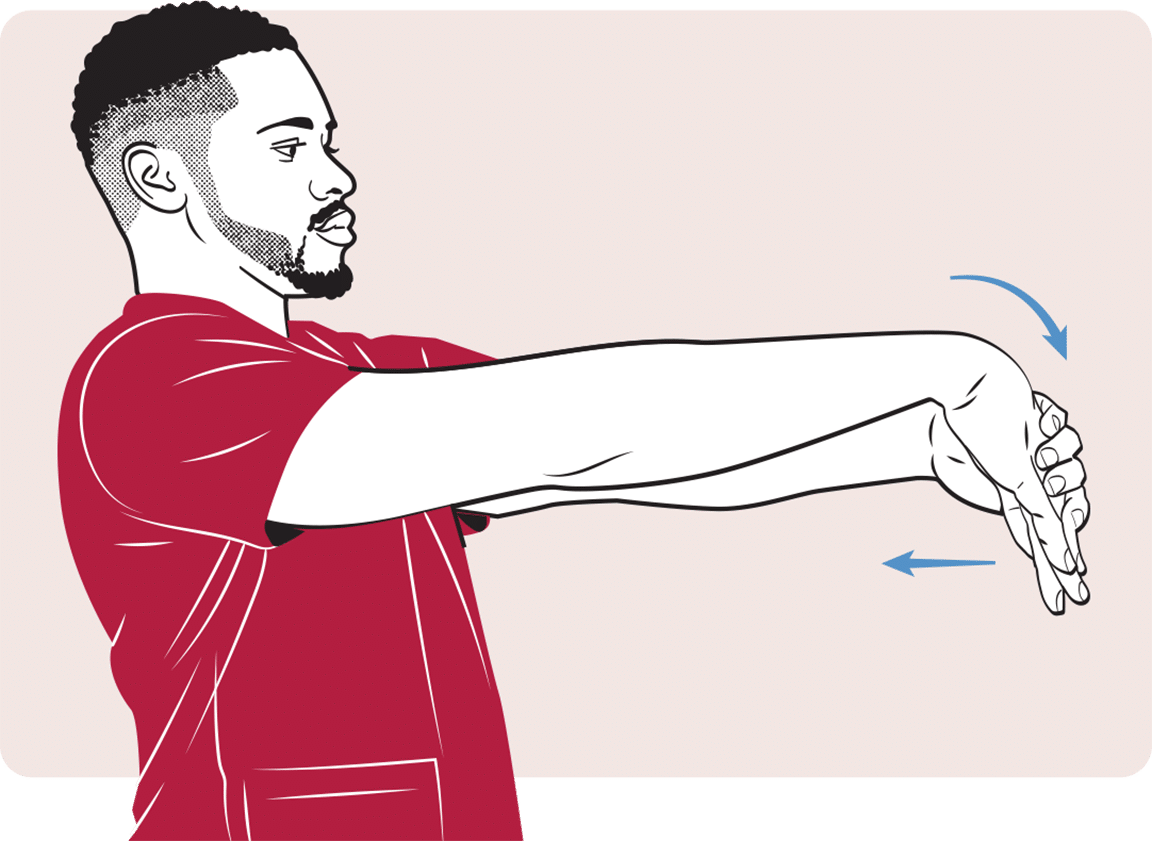
Figure 9. Wrist flexion stretch. Illustration: Remie Geoffroi
Wrist Extension Stretch
Key muscles: Extensor carpi radialis longus, extensor carpi radialis brevis, and extensor carpi ulnaris
Setup:
- Stand or sit upright in a chair with feet shoulder-width apart.
- Raise an arm to chest height, palm facing up; keep the arm straight.
Movement:
- With the free hand, gently press the palm downward toward the dorsal aspect of the arm (Figure 10).
- Slowly return to the starting position.
Repeat twice daily:
- Sets: 1
- Reps: 3
- Hold: 30 seconds
Tips:
- A stretch should be felt along the ventral aspect of the forearm.
- This should be a gentle stretch.
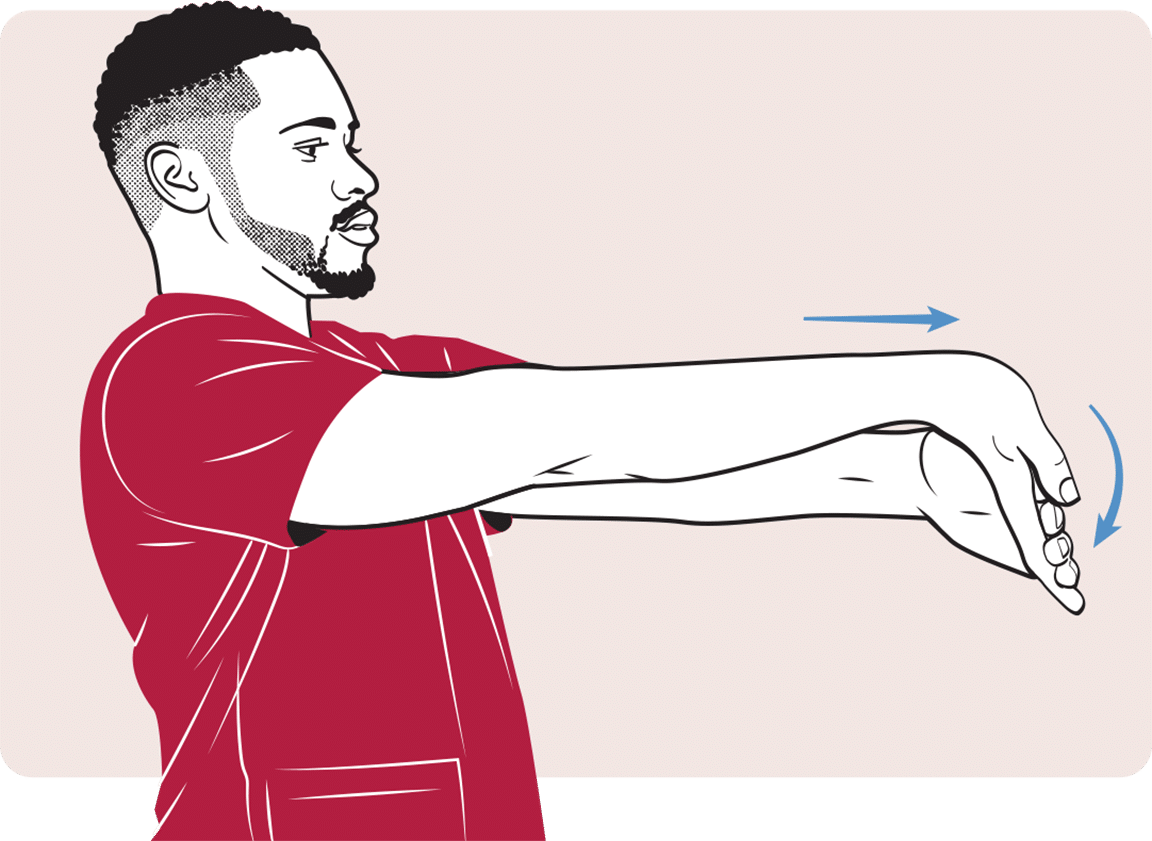
Figure 10. Wrist extension stretch. Illustration: Remie Geoffroi
Clasped Hands Behind Back Arm Extension Stretch
Key muscles: Pectoralis major and minor, anterior deltoids, subscapularis, biceps and triceps brachii, coracobrachialis, and levator scapulae
Setup:
- Stand in an upright position with feet shoulder-width apart.
- Interlace fingers behind your back.
- Push your knuckles down toward your buttocks to straighten your arms.
Movement:
- Pull your hands away from your buttocks toward the upper lumbar (Figure 11).
- Slowly return to the starting position.
Repeat:
- Reps: 10 to 15 per session as needed
- Hold: 30 seconds
Tips:
- A stretch should be felt in the front of your shoulders.
- Do not slouch.
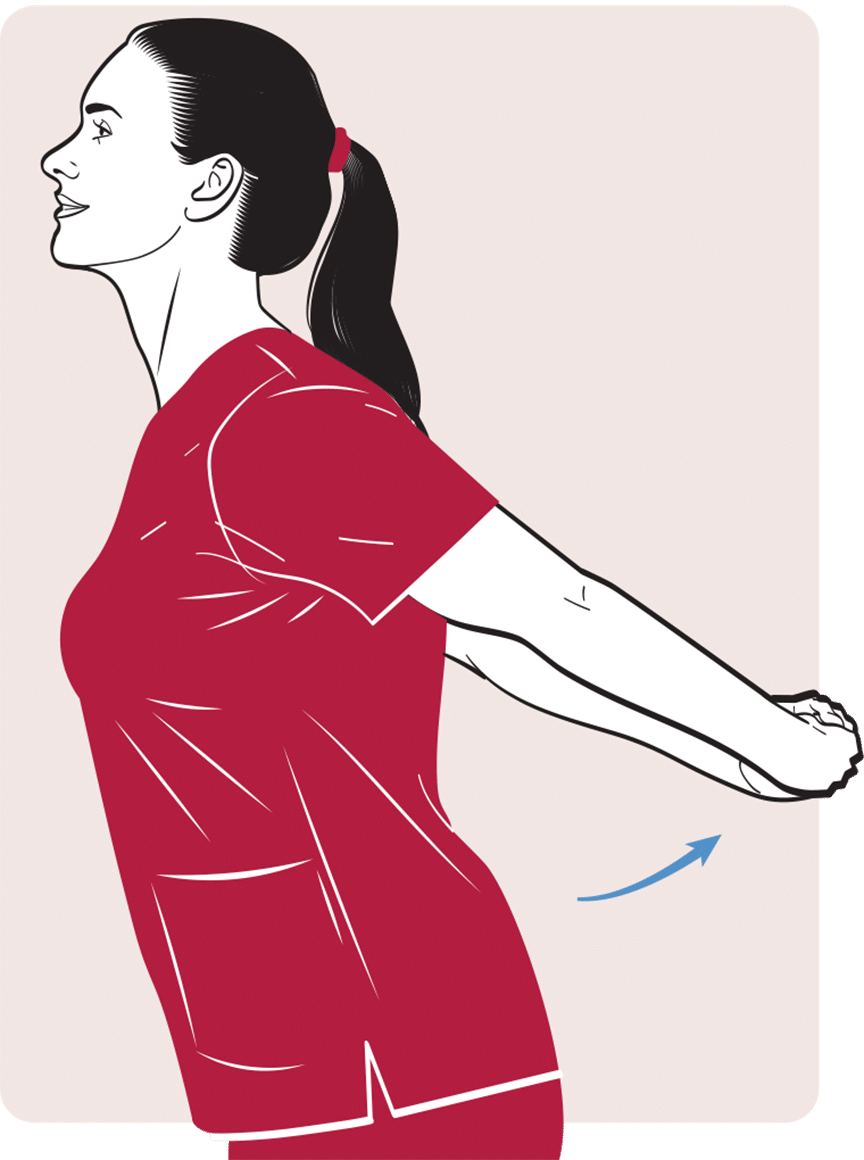
Figure 11. Clasped hands behind back arm extension stretch. Illustration: Remie Geoffroi
Arm Across Chest Stretch
Key muscles: Pectoralis major and minor, deltoids, biceps and triceps brachii, serratus anterior, and clavicular and sternocostal heads
Setup:
- Stand or sit upright with feet shoulder-width apart.
- Extend the left or right arm straight out and at shoulder height.
Movement:
- Move the arm across the chest; keep the arm straight and above the chest.
- With the opposite hand, gently push the crossed arm closer to the chest (Figure 12).
- Slowly return to the starting position.
Repeat:
- Reps: 10 to 15 per session as needed
- Hold: 30 seconds
Tips:
- At setup, straighten back and relax the shoulders.
- Breathe deep and relax in this stretch.
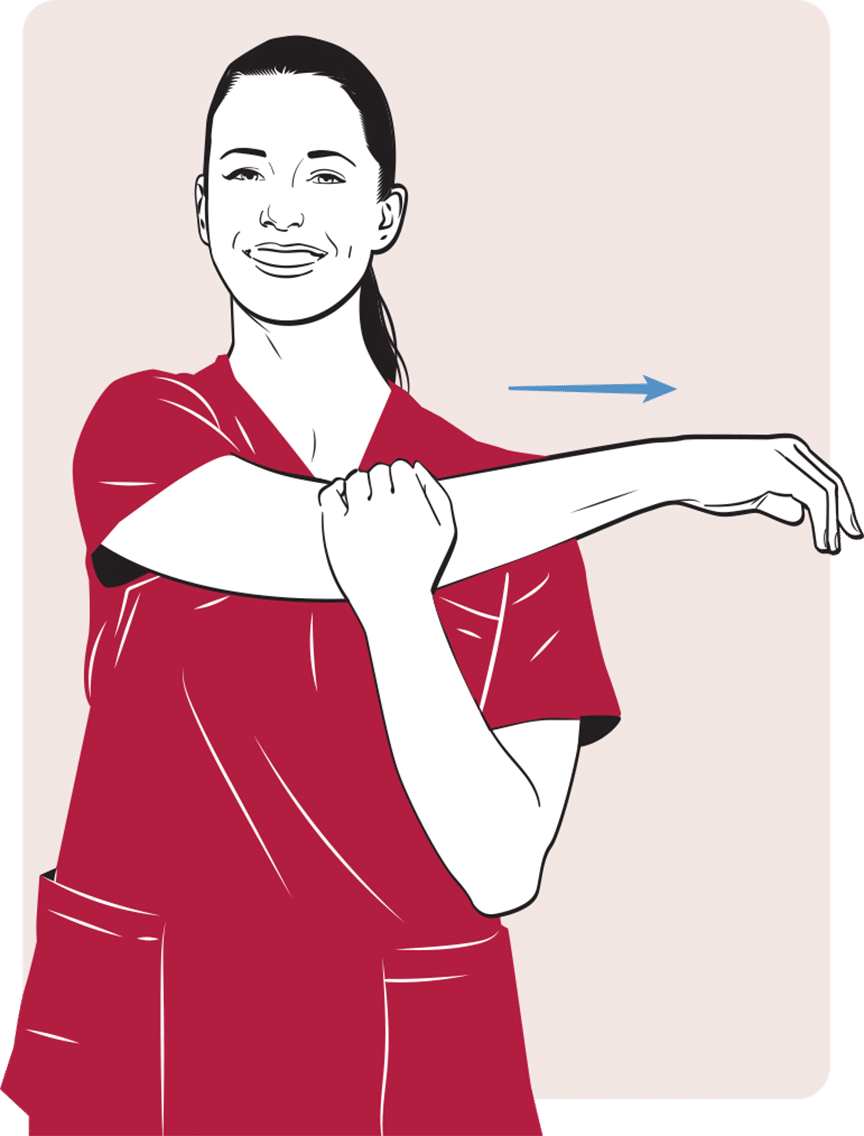
Figure 12. Arm across chest stretch. Illustration: Remie Geoffroi
Overhead Triceps Stretch
Key muscles: Triceps brachii
Setup:
- Stand or sit with feet shoulder-width apart.
- Raise an arm over the head; keep it straight.
Movement:
- Rotate the upper arm down and toward the shoulder blade.
- With the opposite hand, gently push the elbow of the bent arm back and downward to encourage a deeper stretch (Figure 13).
- Slowly return to the starting position.
Repeat
- Reps: 10 to 15 per session as needed
- Hold: 30 seconds
Tips:
- The stretch should be felt in the triceps.
- Keep the head upright to help deepen the stretch.
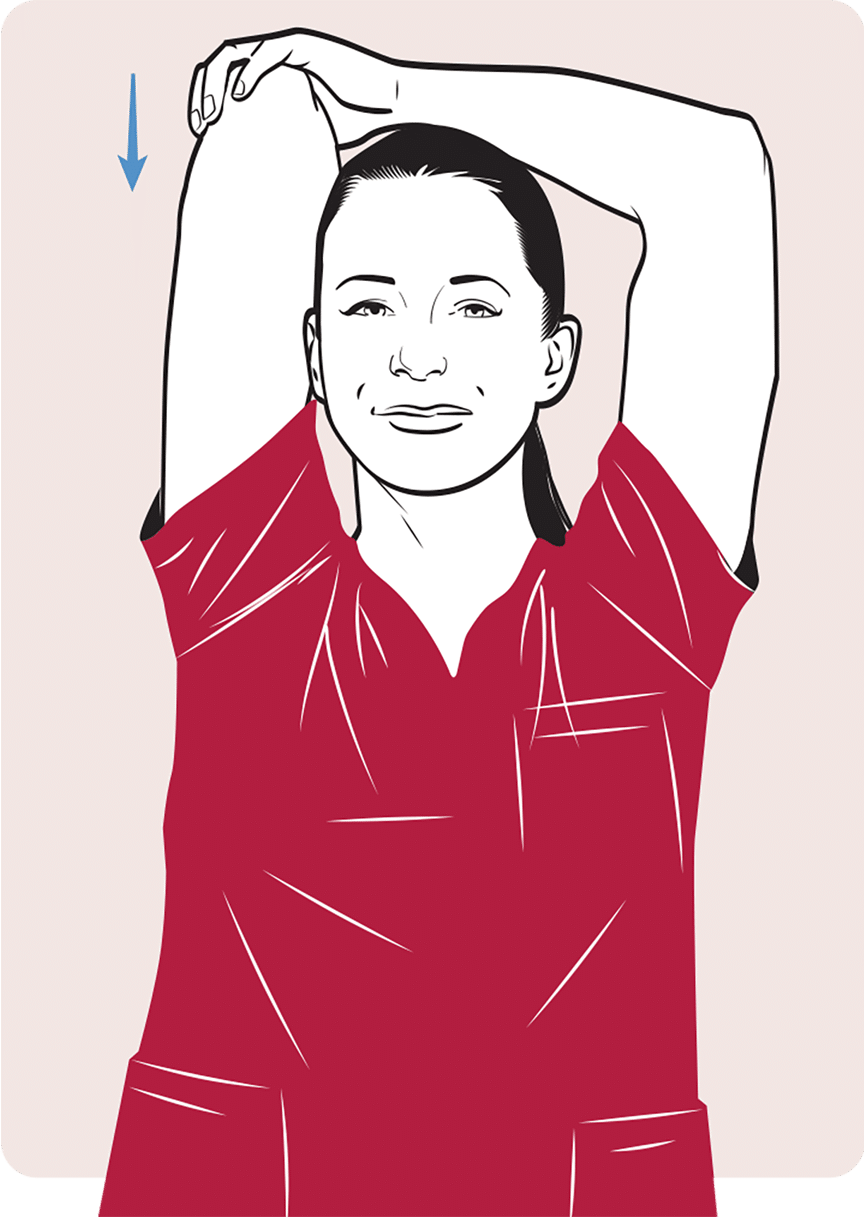
Figure 13. Overhead triceps stretch. Illustration: Remie Geoffroi
Summary
Veterinary dental professionals must prioritize ergonomics to prevent musculoskeletal discomfort and other work-related injuries. The use of equipment such as adjustable chairs and workstations, surgical loupes, antifatigue mats, and hearing protection is crucial for maintaining a well-balanced posture and reducing the risk of musculoskeletal disorders. Adopting clinic-ready stretches and exercises, along with taking regular breaks, can also help to alleviate physical discomfort and sustain mobility. By implementing these ergonomic practices, veterinary professionals can promote their own health and wellbeing while ensuring optimal patient care.
References
- Seagren KE, Sommerich CM, Lavender SA. Musculoskeletal discomfort in veterinary healthcare professions. Work. 2022;71(4):1007-1027. doi:10.3233/WOR-205043
- Ergonomics. Occupational Safety and Health Administration. Accessed March 24, 2026. https://www.osha.gov/ergonomics
- Lewis J. The “other” dental pain—ergonomic issues. Veterinary Practice news. April 12, 2022. Accessed March 24, 2026. https://www.veterinarypracticenews.com/the-other-dental-pain-ergonomic-issues
- Pîrvu C, Pătraşcu I, Pîrvu D, Ionescu C. The dentist’s operation posture—ergonomic aspects. J Med Life. 2014;7(2):177-182.
- Kagan J, Pencek L. Go ahead…take a stand! RDH. January 1, 2011. Accessed March 24, 2026. https://www.rdhmag.com/pathology/periodontitis/article/16408824/go-ahead-take-a-stand
- Banja P, Singh P, Mathew M, Cherian JM. Sitting: the silent killer in dentistry. Br Dent J. 2025;239(1):11. doi:10.1038/s41415-025-8956-0
- Working in a standing position. Canadian Centre for Occupational Health and Safety. Revised November 30, 2022. Accessed March 24, 2026. https://www.ccohs.ca/oshanswers/ergonomics/standing/standing_basic.html
- Working in a sitting position. Canadian Centre for Occupational Health and Safety. Revised September 29, 2022. Accessed March 24, 2026. https://www.ccohs.ca/oshanswers/ergonomics/sitting/sitting_alternative.html
- Chang J. Traditional straight loupes vs deflection loupes. ErgoPractice News. April 29, 2022. Accessed March 24, 2026. https://www.surgitel.com/traditional-straight-loupes-vs-deflection-loupes
- Berg ML. The dental suite – equipment and ergonomics. In: Berg ML, ed. Companion Animal Dentistry for Veterinary Technicians. Tophat: 2020:13-29.
- Safety tips to prevent hearing loss. American Dental Association. Accessed March 24, 2026. https://www.ada.org/resources/practice/wellness/safety-tips-to-prevent-hearing-loss
- Dong H, Barr A, Loomer P, Laroche C, Young E, Rempel D. The effects of periodontal instrument handle design on hand muscle load and pinch force. J Am Dent Assoc. 2006;137(8):1123-1130. https://doi.org/10.14219/jada.archive.2006.0352
- Dental equipment. In: Wiggs RB, Lobprise HB, eds. Veterinary Dentistry: Principles and Practice. 1st ed. Lippincott-Raven; 1997:1-4.
- Pirvu C, Preoteasa C, Axante A, Buzea CM, Parlatescu I, Pîrvu DA. Gloves in dentistry – protection and ergonomic implications. Med Evolution. 2021;27(2):108-115. https://doi.org/10.70921/medev.v27i2.1138
CE Quiz
This article has been submitted for RACE approval for 0.5 hours of continuing education credit and will be opened for enrollment upon approval. To receive credit, take the test at vetfolio.com. Free registration is required. Questions and answers online may differ from those below. Tests are valid for 2 years from the date of approval.
1. Which of the following are common causes of musculoskeletal disorders?
a. Prolonged and repetitive movements
b. Static postures such as sitting or standing
c. Bending or twisting too quickly
d. All of the above
2. What are the benefits of sitting during a dental procedure?
a. It decreases the visual space between the patient and dental professional.
b. It reduces the angulation of the head and neck.
c. It helps to maintain the modified pen grasp.
d. All the above
3. What is the ergonomically correct angle for the dental professional’s head during a dental procedure?
a. 10°
b. 20°
c. 45°
d. 110°
4. Dental equipment can produce noise levels that can cause hearing loss over time.
a. True
b. False
5. Which is an example of equipment that can help maintain dental ergonomics?
a. Tight gloves
b. Surgical loupes
c. High heels
d. Fixed desks