Endocrinology
Diabetic Ketoacidosis: Causes, Recognition, and Treatment
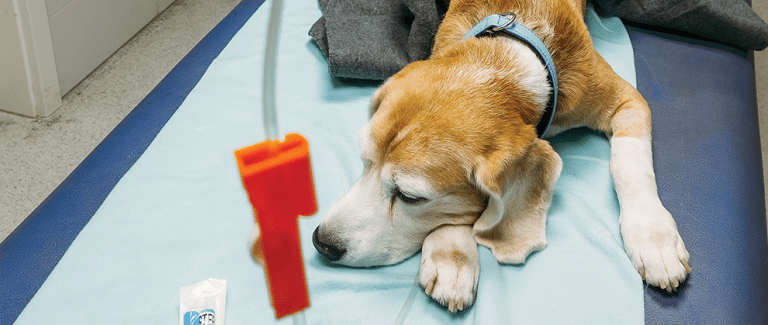
DKA is a medical emergency characterized by hyperglycemia, ketonemia, and acidemia. These patients require frequent reevaluation of hydration status and vital parameters and diligent monitoring of electrolytes and blood glucose.
Orthopedics
Hip, Hip, Hooray! Total Hip Arthroplasty in a 6-Year-Old Dog
Some of the factors for owners and surgeons to weigh during patient selection include severity of clinical signs, skin condition, concurrent diseases, implant availability, owner compliance, and procedure cost.
Anesthesiology
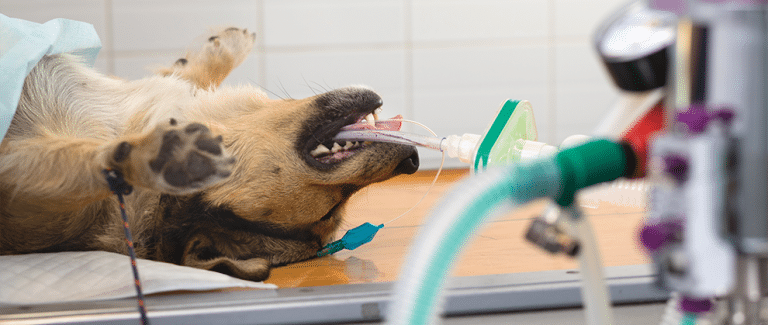
Anesthetic Case Management of a Canine Patient With Severe Subaortic Stenosis Using Dexmedetomidine
The objective of this case report is to suggest that low doses of dexmedetomidine can, and maybe should, be used in patients with SAS.
Radiology/Imaging
Evaluating TFAST, Radiography, and Computed Tomography in Emergent Thoracic Cases
Knowing the strengths and weaknesses of each modality enables the veterinary team to quickly identify life-threatening conditions, stabilize the patient, and implement life-saving therapies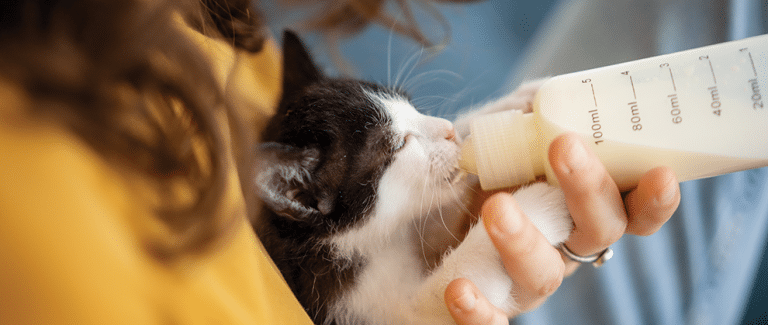
Nutrition
Feeding Orphaned Kittens From Birth Through Weaning
To ensure proper nutrition for orphaned kittens, consider the proper milk replacer to use, the current caloric needs of the kitten, and whether the kitten can consume those calories by volume.
Parasitology
Limiting the Zoonotic Risks of External Parasites
Ticks, scabies, fleas, and harvest mites all have potential to cause serious health problems in pets and humans.
Oncology
Electrochemotherapy for Companion Animals
Electrochemotherapy has been shown to be an effective treatment for a variety of neoplastic processes and malignancies, sometimes in as little as a single treatment, with minimal to no side effects.
Wound Management
Wound Bandaging Techniques for Small Animals
The two most common techniques are the modified Robert Jones and tie-over bandages.