

Behavior
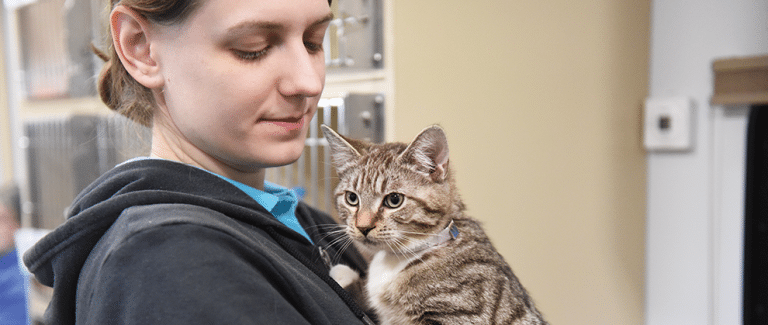
One Welfare Approach: Wellbeing in Shelters
A wide range of strategies can be implemented in the shelter environment to increase the wellbeing of dogs and cats. The key focus for veterinary nurses is to actively enhance wellbeing by using a One Welfare approach to fulfill the animals’ needs.
Cardiology
Hypercoagulable States: Recognizing Thrombophilia
Knowledge of the conditions associated with hypercoagulable risk factors helps ensure patients receive timely, necessary treatment.
Parasitology
Limiting the Zoonotic Risks of Internal Parasites
The 2 most common intestinal parasites of dogs and cats, roundworms and hookworms, cause a zoonotic risk to pet owners.
Endocrinology
Continuous Glucose Monitors for Diabetic Patients
It is important to provide clients with guidance on acceptable glucose levels, what to do if the glucose levels are above or below a certain set point, and how frequently the veterinarian will interpret the results and communicate with the client.
Gastroenterology
Microbiome-Targeted Therapies: Probiotics and Fecal Microbiota Transplants
Identifying the type of dysbiosis a patient is experiencing will help indicate the best microbiome-targeted therapy to resolve the associated gastrointestinal symptoms and their cause.
Dermatology
Using Fluorescent Light Energy for Dermatologic Therapy
Unlike other light therapies, FLE therapy uses polychromatic light, allowing it to target multiple layers of the skin at one time versus just a single layer.
Oncology
Hazardous Drugs: The Hidden Threat to Veterinary Nurses
With overwhelming evidence suggesting that hazardous drug exposure in human healthcare workers continues despite the utmost safety precautions, there is little doubt that the same phenomenon is occurring in veterinary medicine.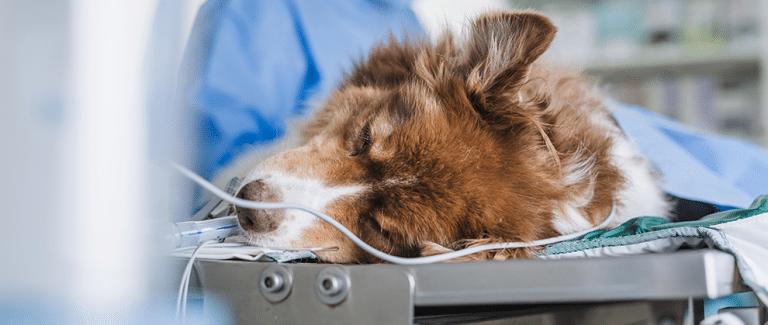
Anesthesiology
Anesthetizing the Critical-Care Patient
This article provides a thorough, multimodal approach for how to support the critical-care patient through the pre-, peri-, and postoperative anesthetic periods.