
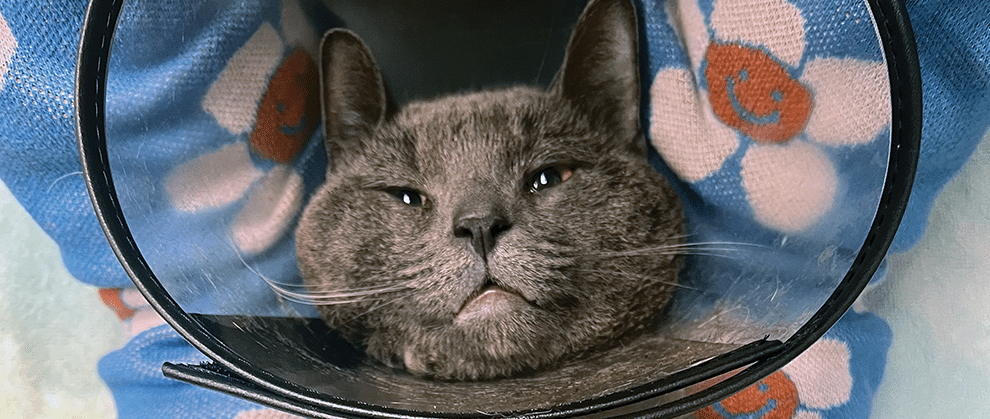
 To Jayde Allison, CVT, Apollo’s story was all too familiar. The 6-year-old neutered male cat presented to his clinic unable to urinate. He was diagnosed with a complete urinary obstruction. The treatment was straightforward. The reality was not.
Apollo’s owners did not have the financial resources to pay for his treatment. Without that procedure, Apollo would be euthanized.
With 7 years of experience as a surgery anesthesia veterinary nurse at a corporate clinic, Allison was no stranger to economic euthanasia, when care for patients is possible but unattainable due to the financial constraints of owners.
“A lot of times,” Allison says, “these families are scraping together every penny they have to take care of their pet.”
That is why when Allison heard of the opportunity to help open a new independent clinic with a flat-rate payment model, “I knew I had to jump ship,” she recalls. “Just because someone has financial constraints doesn’t mean they should have to forego care.”
The idea for the clinic, Wasatch Community Clinic, is relatively simple: A bare-bones staff in a small building provides a focused list of outpatient procedures—available to referred patients only—at a transparent, all-inclusive price. The approach allows the clinic to reduce overhead costs while providing affordable pricing for clients and competitive compensation to employees.
Reenter Apollo, who had received a CBC and an IV catheter but was unable to get further treatment. Just before euthanasia, Apollo was referred to Wasatch. That’s when Allison took over his care.
“He was the sweetest cat,” Allison says. “He was in really good standing despite being blocked.”
At Wasatch, Apollo received same-day surgery, stayed for a few hours of recovery, and was sent home for monitoring. Allison stayed in touch with the family, and Apollo ultimately made a full recovery.
“They were so stressed and so grateful to not have to say goodbye to their family member,” Allison recalls. “That really stuck with me.”
Do you have a lifesaving story? Fill out this form to share your story in a future issue of TVN.
Allison’s transition to a low-cost care setting has proven to her that her veterinary nursing skills can be of use beyond specialized hospitals.
“We jokingly call our place the broom closet because it’s so small,” she says. “But we can bring those high-level skills to any clinic no matter how big or small.”
And, Allison says, she did not have to make sacrifices one might expect when making such a transition; she admittedly earns more than she did at the corporate clinic and maintains a greater priority on her wellbeing.
“Economic euthanasia is real, and I take a lot of pride in the care that we are providing,” Allison says. “It’s been amazing knowing these families are in a high-stress situation and I’m able to help them and their pets every moment of every day. My career has been rewarding the whole time, but I feel it every day when I’m here.”