

Emergency Medicine/Critical Care
Stabilizing the Critically Ill Patient
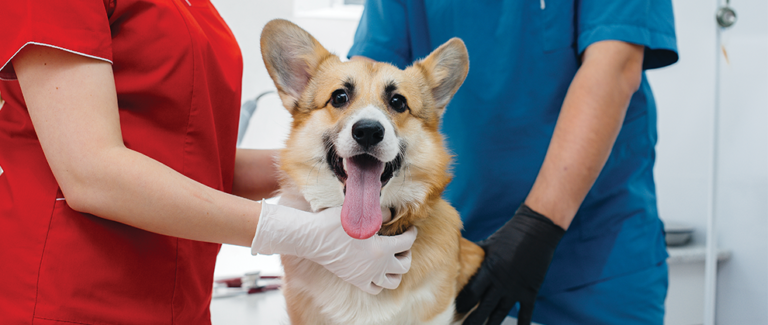
Stabilizing patients in critical condition include timely triage, interventional therapies, and clear communication with the critical care facility for transfer.
Hematology
Blood Transfusions in Anemic Dogs and Cats
Successfully providing blood transfusions for anemic patients requires knowledge of how to support the patient during the procedure, blood product selection, administration of the blood transfusion, how to prevent complications, and more.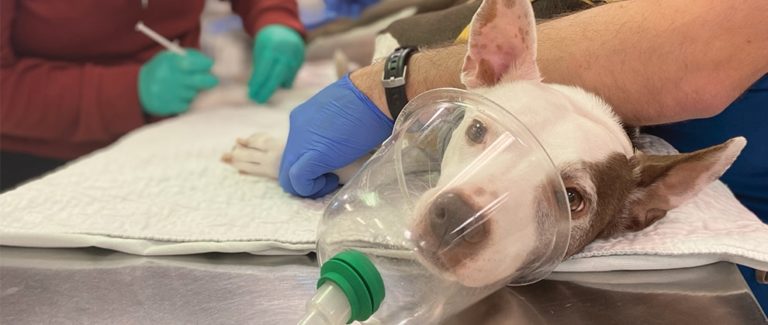
Diagnostics
The Veterinary Nurse’s Role in Reading Blood Gases
Knowing when and how to draw blood gas samples, as well as how to interpret the results, is critical to good patient care.
Nutrition
Osteoarthritis: Getting Patients Moving Through Nutrition
Clinical nutrition plays a critical role in successful long-term management of patients with osteoarthritis.
Radiology/Imaging
Fluoroscopy: Don’t Miss the Show!
Fluoroscopy produces real-time images that appear as an “x-ray movie,” providing a helpful view for dynamic processes.
Behavior
Addressing Feline Behavioral Issues
Most feline behavioral issues have fairly easy fixes, and veterinary nurses are in the position to advise.
Rehabilitation
Physical Rehabilitation for Geriatric Dogs Recovering from Injury or Surgery
The growth of veterinary medicine for geriatric patients provides an opportunity to incorporate more physical rehabilitation in veterinary hospitals.

Emergency Medicine/Critical Care
Nursing a Patient With a Traumatic Pneumothorax
Knowledge of the pathogenesis and pathophysiology of traumatic pneumothorax enables the veterinary nurse/technician to understand the physiologic changes that affect the nursing care of these patients and the roles that various therapeutic modalities and general nursing care play in a successful outcome.

Ethics/Welfare
Pediatric Patients in the Shelter Setting
As shelter medicine becomes more widely recognized as an important part of the veterinary field, it is crucial to understand the role shelter professionals play in ensuring the wellbeing of animals and the challenges of treating and caring for pediatric patients in a shelter.